Feel-good
A juice company dumped orange peels in a national park. This is what it looks like today.
In 1997, ecologists partnered with juice company Del Oro to dump 12,000 metric tons of orange waste onto a barren pasture in Costa Rica.
Ce qu'il faut retenir
- Dumping 12,000 metric tons of orange waste on a deforested plot led to a 176 percent increase in aboveground biomass.
- The orange peel deposit site featured two dozen species of vegetation, richer soil, and a better-developed canopy compared to adjacent pastureland.
- Secondary tropical forests absorb and store atmospheric carbon at roughly 11 times the rate of old-growth forests.
- Scientifically driven management of discarded produce has high potential for low-cost forest restoration.
In 1997, ecologists partnered with juice company Del Oro to dump 12,000 metric tons of orange waste onto a barren pasture in Costa Rica. Though a rival's lawsuit shut the project down after two years, leaving the site abandoned, researchers returned 16 years later to find the plot completely transformed. The orange peel deposit resulted in a 176 percent increase in aboveground biomass, richer soil, and dramatic biodiversity compared to the adjacent barren land.
It demonstrates a highly effective, low-cost method for restoring nutrient-depleted soils and regrowing tropical forests.
Leurs propres mots
“It was just hard to believe that the only difference between the two areas was a bunch of orange peels. They look like completely different ecosystems”
“You could have had 20 people climbing in that tree at once and it would have supported the weight no problem”
Les chiffres clés
- 12,000
- Metric tons of orange compost dumped on the plot
- +176%
- Increase in aboveground biomass within the studied area
- 3
- Hectares of the studied orange peel deposit plot
- 24
- Species of vegetation thriving on the orange peel site
- 11x
- Carbon absorption rate of secondary forests vs old-growth
Le fil des événements
- Ecologists propose the orange peel dumping idea to Del Oro
- Trucks dump over 12,000 metric tons of orange compost
- Timothy Treuer begins searching for the original dump site
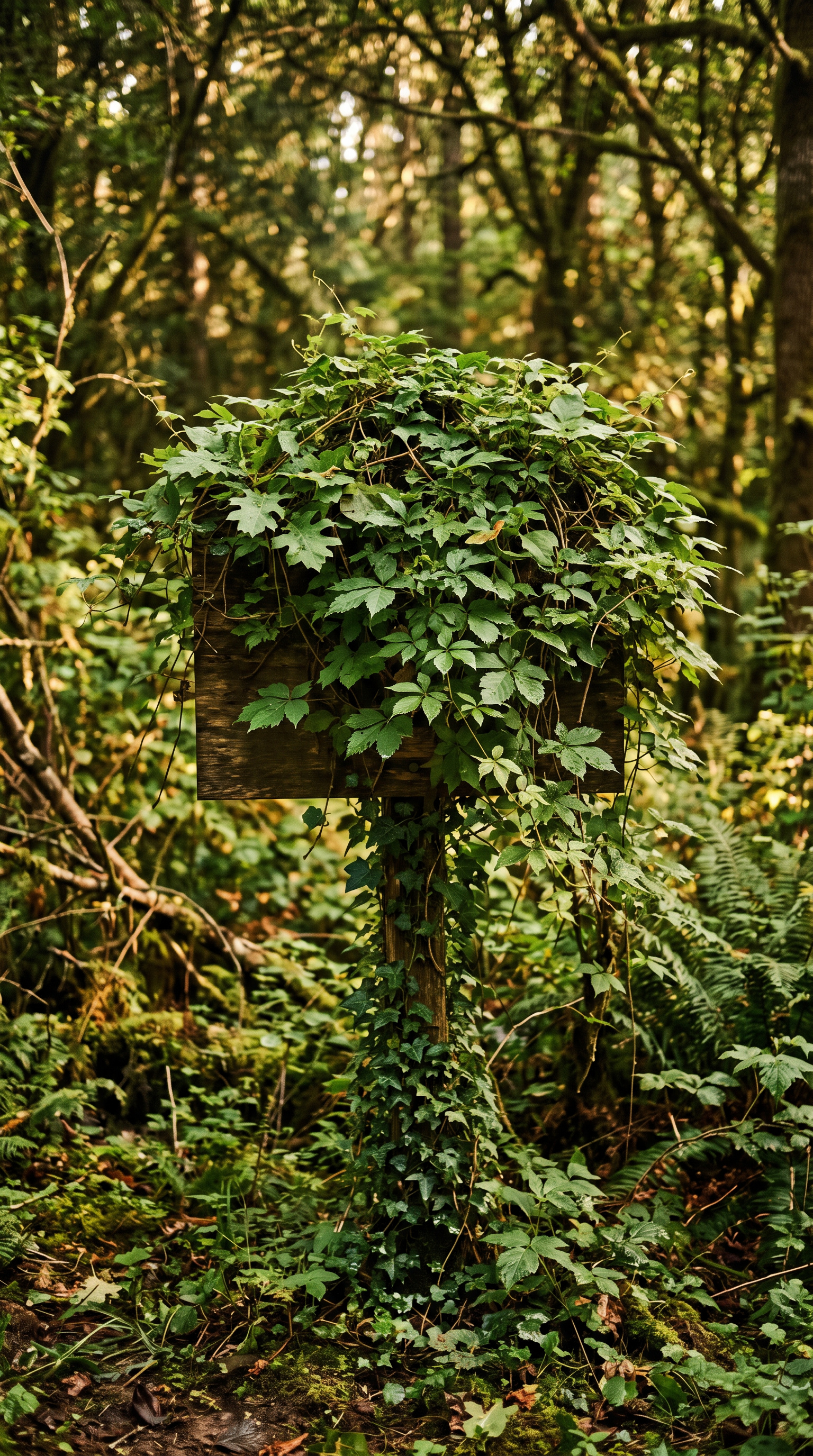
- Researchers finally locate the buried plot sign under vines
Transformez ces actus en vues
Ravenclip repère les actus Feel-good, crée la vidéo et la publie avant que le buzz ne retombe.
Questions fréquentes
- Que s'est-il passé avec a deforested pasture in Costa Rica treated with orange peels ?
- Dumping 12,000 metric tons of orange waste on a deforested plot led to a 176 percent increase in aboveground biomass.
- Où puis-je lire le rapport d'origine ?
- Retrouvez le rapport complet sur Upworthy.