AI
Claude Opus 5 pushes prompt-to-game AI from rough color blocks to full 3D prototypes with physics and music
Anthropic's Claude Opus 5 is generating complete, functional 3D games directly in the browser from single text prompts.
Key takeaways
- Claude Opus 5 generates fully functional 3D game worlds from a single text prompt with no external assets.
- The model writes geometry, textures, physics, and music as code running directly in the browser via Three.js.
- Opus 5 delivers significantly more detailed results and better physics realism than GPT-5.6 Sol and Kimi K3.
- Opus 5 produces much stronger visual outputs than earlier versions.
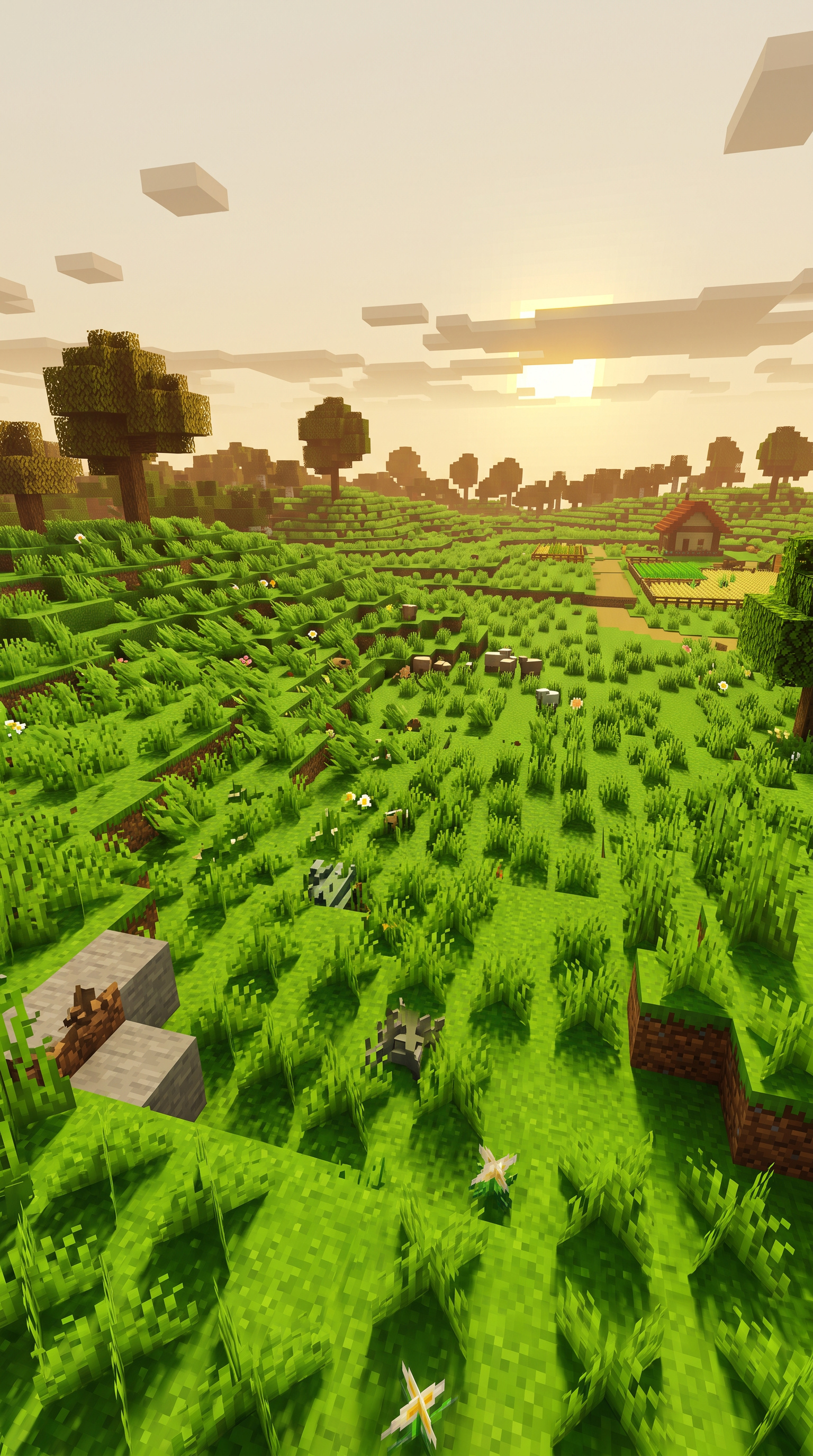
- A Minecraft clone built by a user using Opus 5 featured an infinite procedural world and 15 biomes, consuming 25 million tokens.
Anthropic's Claude Opus 5 is generating complete, functional 3D games directly in the browser from single text prompts. Unlike video-generation models that output uneditable pixel streams, Opus 5 writes procedural code (HTML and Three.js) for geometry, textures, physics, and music, allowing users to open and edit the files. Community tests demonstrate that the model can generate first-person shooters, kart racers, and complex Minecraft clones. In head-to-head comparisons, Opus 5 outperformed rivals like GPT-5.6 Sol and Kimi K3 in mechanical complexity and physics realism.
It shifts AI generation from uneditable video streams to fully editable procedural code.
In their words
“Not a single external asset was used”
“much stronger visual outputs”
By the numbers
- 25M
- tokens consumed by Pankaj Kumar's Minecraft clone build
- 15
- biomes in Pankaj Kumar's Minecraft clone
- 3
- physics scenes tested by atomic.chat
How it unfolded
- Claude 4 Opus generated flat blocks of color
- Claude Opus 5 3D game generation capabilities detailed
Turn stories like this into views
Ravenclip finds the AI news, makes the video, and posts it before attention moves on.
Common questions
- What happened with Claude Opus 5?
- Claude Opus 5 generates fully functional 3D game worlds from a single text prompt with no external assets.
- Where can I read the original report?
- Read the full report at The Decoder.