AI
Google's WeatherNext 3 ditches physics simulations and learns weather directly from live satellite data
Google Research and DeepMind have released WeatherNext 3, a weather forecasting model that bypasses traditional physics simulations to learn directly
Key takeaways
- WeatherNext 3 learns directly from real-time satellite data instead of traditional numerical weather prediction simulations.
- The model produces hourly forecasts at up to five-kilometer resolution, which is five times sharper than WeatherNext 2.
- Regions in Africa, Latin America, and the Asia-Pacific stand to gain the most due to historically high compute costs for traditional regional models.
- WeatherNext 3 is already powering weather features in Google Search, Gemini, Google Maps, and Google Earth Engine.
- The model predicts wind speeds at turbine height and solar irradiance to help grid operators balance energy supply and demand.
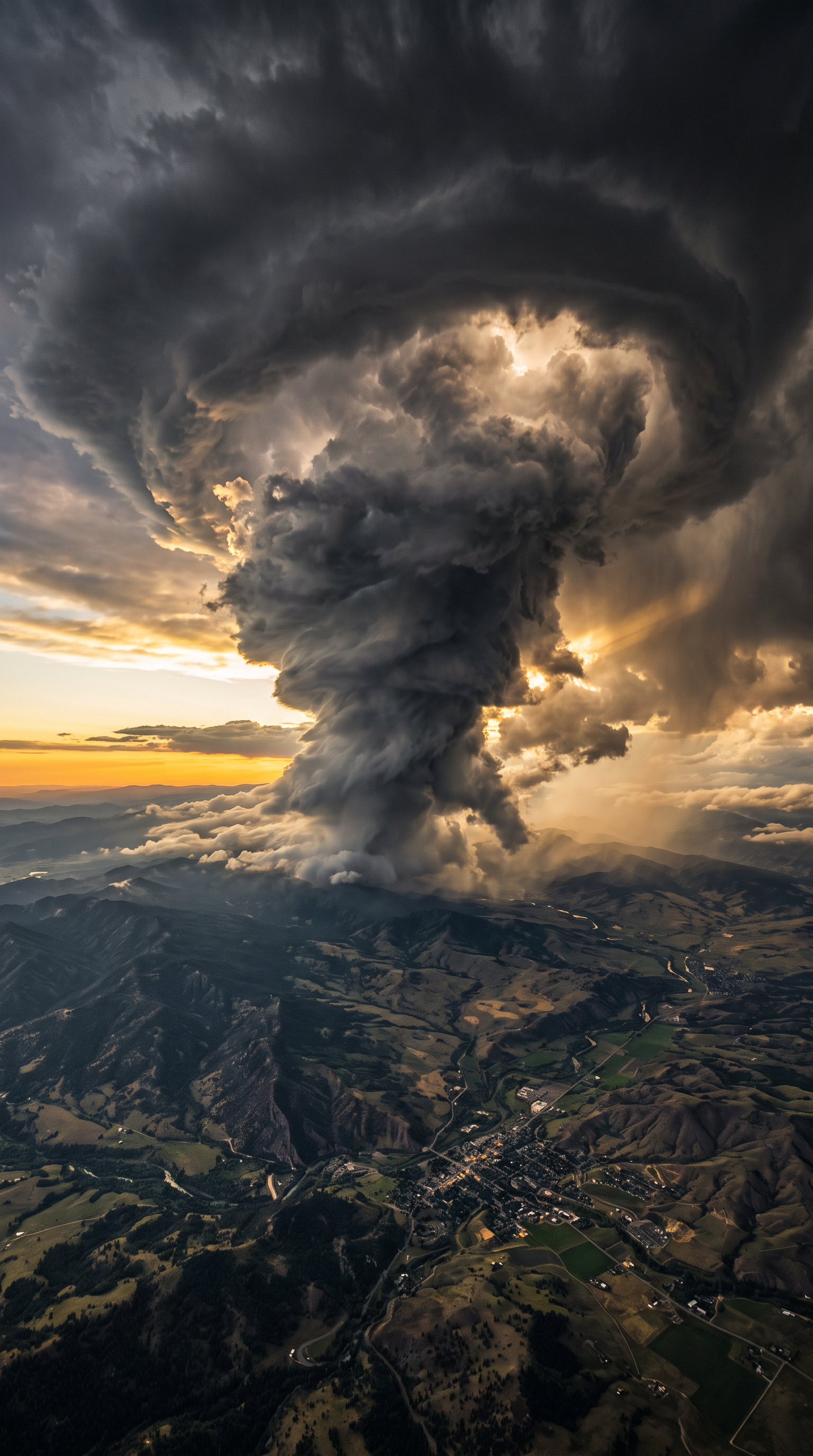
Google Research and DeepMind have released WeatherNext 3, a weather forecasting model that bypasses traditional physics simulations to learn directly from real-time geostationary satellite data. It generates hourly forecasts at up to five-kilometer resolution, which is five times sharper than its predecessor, WeatherNext 2. The model is designed to capture local terrain features like mountains and coastlines, offering significant accuracy improvements for fast-changing variables like precipitation. The technology is already integrated into Google Search, Maps, Gemini, and Earth Engine, and is available to developers and researchers via BigQuery and Google Cloud Storage.
It provides high-resolution, hourly global weather forecasts without the high compute costs of traditional physics simulations.
By the numbers
- 5km
- Resolution for WeatherNext 3 temperature and humidity forecasts
- 5x
- Resolution improvement of WeatherNext 3 over its predecessor
- 6h
- Delay in numerical weather prediction supercomputer simulations
- +50%
- Precipitation forecast accuracy improvement when planning ahead
- 100m
- Altitude at which wind speeds are predicted for turbines
How it unfolded
- DeepMind released GenCast probabilistic AI weather model
- Google DeepMind introduced WeatherNext 2
- DeepMind released WeatherNext 2 and Cyclones openly
- Google Research and DeepMind release WeatherNext 3
Turn stories like this into views
Ravenclip finds the AI news, makes the video, and posts it before attention moves on.
Common questions
- What happened with WeatherNext 3?
- WeatherNext 3 learns directly from real-time satellite data instead of traditional numerical weather prediction simulations.
- Where can I read the original report?
- Read the full report at The Decoder.