Tech
A Circular Pit on Google Maps Led Scientists to a 390-Million-Year
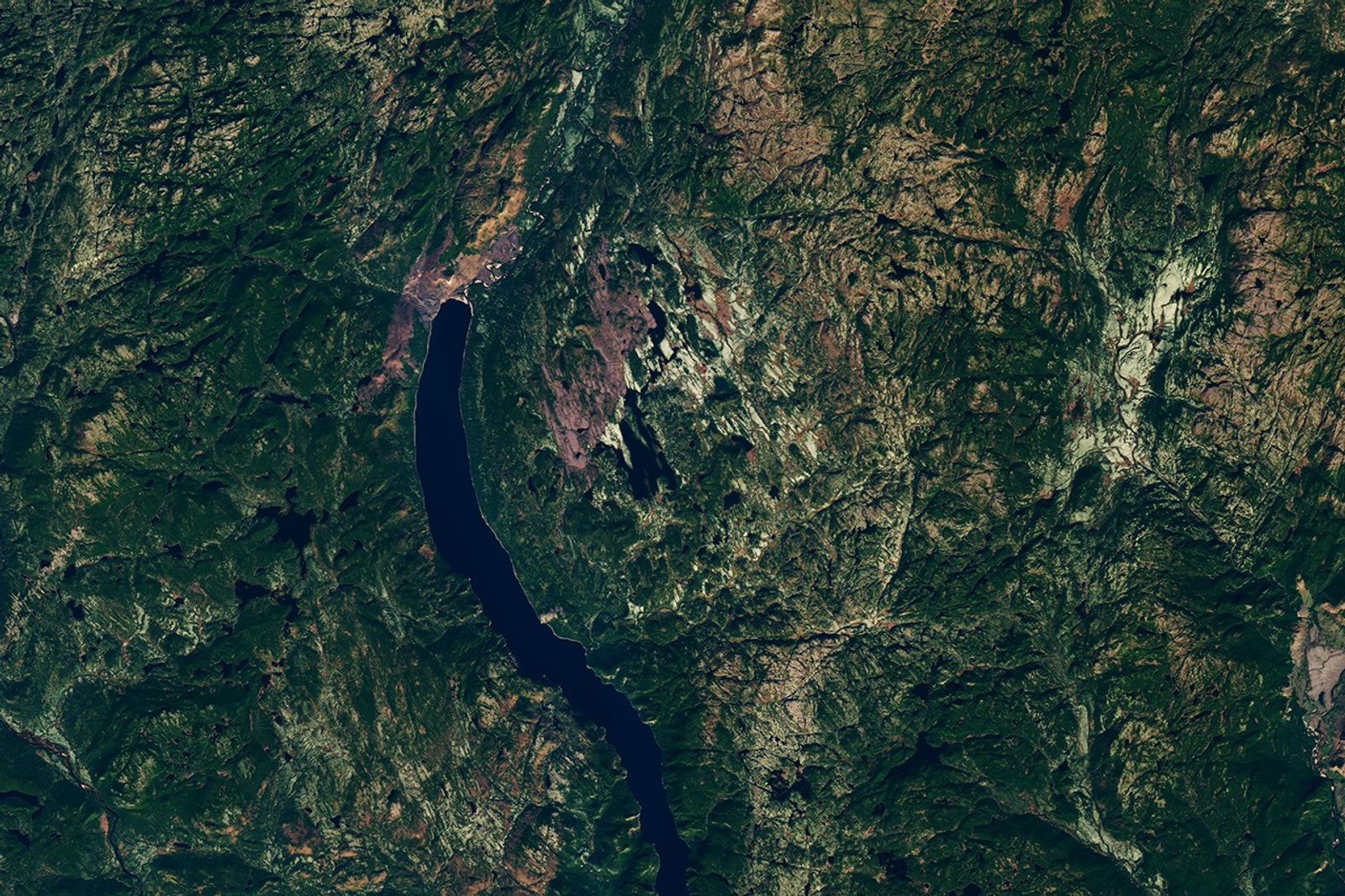
An amateur map observer, Joël Lapointe, spotted a circular depression near Lake Marsal in Quebec on satellite maps in 2024.
Key takeaways
- A circular depression in Quebec was first noticed on satellite maps by amateur observer Joël Lapointe in 2024.
- A field expedition in October 2025 found shatter cones and impact-melt rock inside the structure.
- The Uhackatik structure is approximately 25 kilometres across and is estimated to be about 390 million years old.
- The structure was previously interpreted on geological maps as a volcanic diatreme.
An amateur map observer, Joël Lapointe, spotted a circular depression near Lake Marsal in Quebec on satellite maps in 2024. In October 2025, Gordon Osinski of Western University led a field expedition to the site. The team discovered shatter cones and impact-melt rock, confirming the 25-kilometre Uhackatik structure as a 390-million-year-old asteroid impact site. The structure is named Uhackatik after consultation with the Innu Council of Ekuanitshit, and is awaiting formal administrative recognition by a Meteoritical Society committee.
The discovery adds a newly confirmed site to Earth's roughly 200 known impact structures.
By the numbers
- 25km
- The diameter of the Uhackatik impact structure
- 390M
- Estimated age in years of the impact structure
- 2024
- Year amateur Joël Lapointe noticed the pattern on maps
- 50m
- Distance researchers waded through water to reach site
- 200
- Approximate number of confirmed impact structures on Earth
How it unfolded
- Joël Lapointe noticed the circular pattern in satellite maps
- Gordon Osinski organized a field expedition to the site
Why this matters
-
A Meteoritical Society committee is expected to formally recognise the impact structure at a future meeting.
Turn stories like this into views
Ravenclip finds the Tech news, makes the video, and posts it before attention moves on.
Common questions
- What happened with Uhackatik structure?
- A circular depression in Quebec was first noticed on satellite maps by amateur observer Joël Lapointe in 2024.
- Where can I read the original report?
- Read the full report at Google News.